
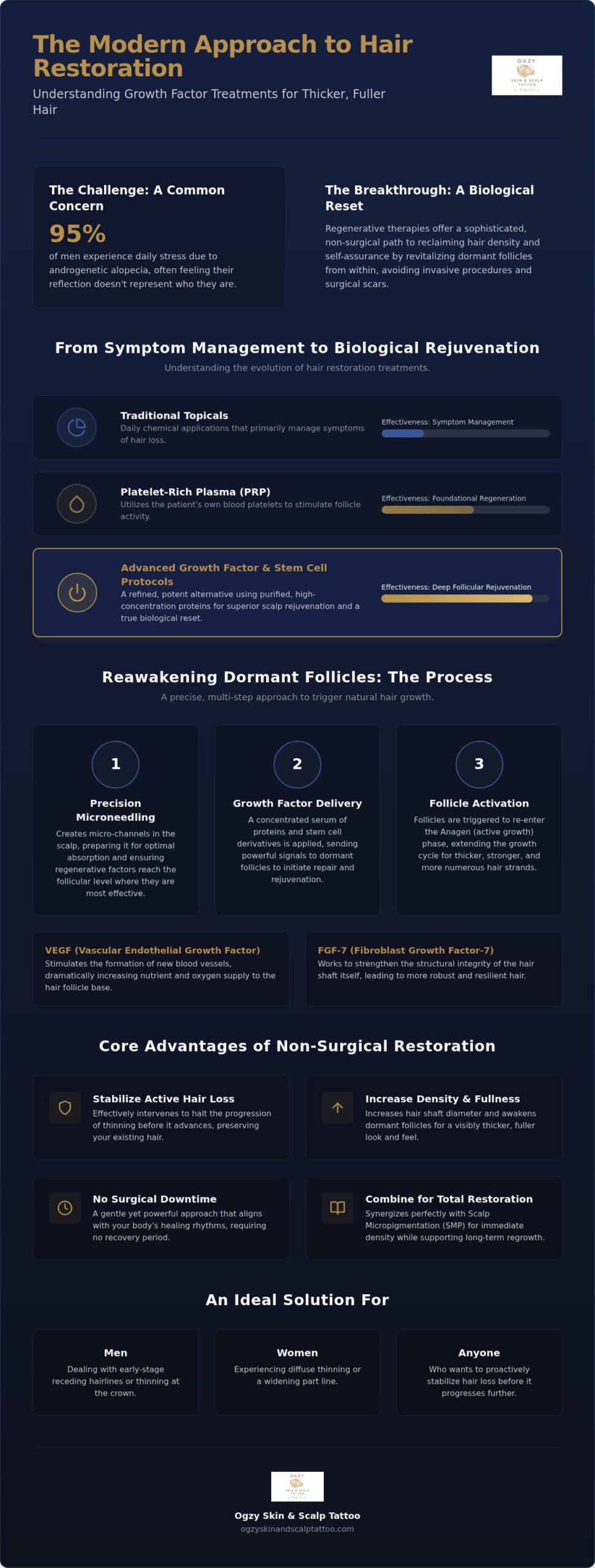
For the 95 percent of men who experience daily stress due to androgenetic alopecia, the reflection in the mirror often feels like a quiet reminder of what’s being lost rather than a true representation of who they are. It’s a deeply personal challenge that affects how you move through the world, leading many to search for a growth factor hair treatment that actually delivers on its promise. The path to restoration often feels cluttered with confusing acronyms and the intimidating prospect of surgical scars, making it difficult to find a clear way forward.
We understand that you’re looking for more than just a temporary fix; you’re seeking a way to reclaim your self-assurance through a process that feels both sophisticated and natural. These regenerative therapies act as a restorative bridge between clinical precision and aesthetic artistry, offering a biological reset for your scalp. By utilizing concentrated proteins and stem cell technology, this non-surgical approach revitalizes dormant follicles to sustain long-term hair health and density without the need for invasive procedures.
In this guide, we’ll demystify the differences between PRP, GFC, and advanced stem cell protocols to help you make an informed decision for your unique journey. You’ll learn how these medical-grade solutions stabilize active loss and refine your hairline, providing a compassionate roadmap to the thicker, fuller hair you deserve in 2026.
Key Takeaways
- Understand how medical-grade proteins signal dormant follicles to return to an active growth phase, effectively increasing hair shaft diameter and overall density for a fuller look.
- Discover why a growth factor hair treatment offers a more refined and potent alternative to traditional PRP by using purified concentrates for superior scalp rejuvenation.
- Learn about the vital role of microneedling in creating precision micro-channels that ensure regenerative factors reach the follicular level where they are most effective.
- Explore the synergy of combining biological restoration with Scalp Micropigmentation to achieve an immediate aesthetic improvement while supporting long-term natural regrowth.
- Find out how to stabilize active hair loss and restore your hairline through a non-invasive, regenerative approach that requires no surgical downtime.
What is Growth Factor Hair Treatment? The Science of Scalp Regeneration
Understanding the science behind hair restoration begins with a shift in how we view the scalp. Rather than seeing it as a surface to be covered, we must treat it as a living ecosystem that requires specific signals to thrive. A What are growth factors? essentially refers to a group of naturally occurring proteins that act as biological messengers, instructing cells to repair, replicate, and rejuvenate. These proteins, along with specialized cytokines, communicate directly with dormant hair follicles to trigger a healing response that chemicals alone cannot achieve.
As we move through 2026, the landscape of hair restoration has evolved significantly toward regenerative medicine. While traditional topical treatments often rely on daily chemical applications to manage symptoms, medical-grade growth factors focus on a biological reset. It’s important to distinguish these professional protocols from standard over-the-counter serums. High-concentration growth factors and stem cell derivatives used in a clinical setting are designed for deep follicular integration, offering a level of sophisticated craftsmanship that retail products simply cannot replicate.
The Biological Role of Growth Factors in Hair Health
The success of this treatment relies on specific proteins that manage the lifecycle of every hair strand. Vascular Endothelial Growth Factor (VEGF) plays a critical role by stimulating vascularization, which increases the blood supply and nutrient delivery to the follicle base. Simultaneously, Fibroblast Growth Factor-7 (FGF-7) works to strengthen the structural integrity of the hair itself. The Anagen phase represents the active growth period of the hair follicle, and regenerative factors help extend this duration to ensure each strand reaches its full potential in thickness and length. By focusing on repairing the “soil” of the scalp, we create the ideal environment for the “grass” of your hair to grow robustly.
Why Non-Surgical Restoration is Gaining Popularity
For many individuals, the thought of surgical hair transplants brings up concerns regarding invasive procedures, visible scarring, and significant downtime. A growth factor hair treatment offers a gentle yet powerful alternative that aligns with the body’s natural healing rhythms. This approach provides a subtle, natural-looking restoration that avoids the “pluggy” appearance sometimes associated with older surgical methods. This treatment is highly versatile, proving effective for:
- Men dealing with early-stage receding hairlines or thinning at the crown.
- Women experiencing diffuse thinning or a widening part line.
- Individuals who want to stabilize active hair loss before it progresses.
The psychological impact of reclaiming your hair density is profound. By choosing a non-surgical path, you can enjoy a gradual transformation that restores both your hairline and your self-assurance without the trauma of surgery.
How Growth Factors Work to Reverse Hair Thinning and Follicle Dormancy
The primary goal of a growth factor hair treatment is to intervene in the natural biological cycle of the hair follicle. Most thinning occurs when follicles spend too much time in the Telogen (resting) phase and fail to transition back into the Anagen (active growth) phase. By introducing concentrated proteins, we provide the necessary biological cues to restart this cycle. Biological signals matter. Understanding the science of growth factors reveals how these molecules reduce localized scalp inflammation, which is a major contributor to follicle miniaturization. When inflammation is managed, the dermal papilla, the vital anchor point for each hair, can receive the nutrients it needs to support a more robust hair shaft.
Waking Up Dormant Follicles
It’s a common misconception that thinning hair always means the follicles are dead. In many cases, they are simply dormant, waiting for a signal to resume production. Growth factors act as that missing signal, communicating directly with stem cells within the follicle to initiate cellular repair. While you won’t see new hair overnight, the internal repair process begins immediately. Visible emergence typically follows the natural growth cycle, often appearing within three to six months as the revitalized follicles push through the surface with renewed strength. The results speak volumes.
Improving Hair Quality and Density
Beyond simply increasing the number of active follicles, regenerative therapy focuses on the quality of the hair itself. As the follicle health improves, the diameter of individual hair shafts increases, which creates a significantly fuller and more voluminous appearance. This enhancement of hair quality is a cornerstone of hair regrowth without surgery, as it prioritizes the health of existing strands alongside new growth. The result is hair that not only looks thicker but feels healthier, possessing a natural sheen that reflects improved scalp nutrition. If you’ve noticed your hair losing its vitality, a personalized consultation at our Cedar Park clinic can help determine if your follicles are candidates for this regenerative reset.
Growth Factors vs. PRP: Understanding the Regenerative Hierarchy
If you have explored hair restoration before, you have likely encountered Platelet-Rich Plasma (PRP). It served as the first generation of autologous therapy, using a patient’s own blood to stimulate healing. However, the regenerative hierarchy has evolved significantly. A modern growth factor hair treatment now utilizes purified concentrates that offer a more predictable and potent alternative to these early methods. Choosing the right path depends on your specific level of thinning and your desire for a consistent, medical-grade outcome.
Research published in The Science of Growth Factors in Hair Regeneration highlights that while concentrated factors are effective, the source and purity of those factors dictate the final aesthetic result. By moving beyond the basics, we can target the scalp with higher precision and less biological “noise” than traditional methods. This transition represents a shift from simply using what is available in the blood to using what is most effective for the follicle.
The Limitations of Traditional PRP
Traditional PRP relies entirely on the quality of the patient’s own blood at the moment of the draw. If you are experiencing high stress, poor sleep, or nutritional gaps, your platelet count may be lower, which leads to variable results between sessions. The process also requires a significant blood draw, which can cause localized inflammation or discomfort for some clients. Purity in growth factors ensures a higher rate of scalp absorption, as the absence of red and white blood cells allows the healing proteins to reach the follicles more directly without being blocked by inflammatory debris.
The Advantage of Stem Cell-Derived Factors
To achieve the most reliable results, we often turn to medical-grade stem cell-derived factors. These lab-purified solutions ensure that every application contains a precise, high concentration of the specific signals your follicles need to thrive. This approach eliminates the need for invasive blood draws while significantly increasing the efficacy of the treatment. For those seeking the gold standard in non-surgical restoration, exploring a stem cell hair regrowth treatment provides a streamlined path toward density. It is a more sophisticated way to communicate with your body, ensuring the message of renewal is clear and uninterrupted.
The Treatment Journey: What to Expect During Scalp Rejuvenation
Every successful transformation begins with a clear understanding of the unique landscape of your scalp. During your initial consultation, we perform a detailed scalp analysis to determine the viability of your follicles. We distinguish between dormant follicles, which can be revitalized, and those that have reached a stage of permanent loss. This diagnostic step ensures that your growth factor hair treatment is precisely tailored to your needs, providing a realistic roadmap for your personal restoration. We believe in transparency and partnership, ensuring you feel empowered and informed before the first session begins.
During the procedure, your comfort remains our primary focus. Most clients describe the sensation as a light, rhythmic tapping or a mild prickling feeling as we work across the target areas. The experience is designed to be gentle and manageable, allowing you to return to your daily routine shortly after leaving the clinic. Managing expectations is part of our restorative approach; while the biological repair begins immediately, the visible journey toward thicker hair is a steady, rewarding process that unfolds over several months.
The Role of Microneedling in Delivery
Applying medical-grade serums topically is often insufficient because the scalp’s natural protective barrier is remarkably effective at keeping substances out. To overcome this, we utilize microneedling to create thousands of precision micro-channels. These channels serve as direct pathways, ensuring the regenerative factors reach the follicular level where they are most effective. These controlled micro-injuries also trigger the body’s natural wound-healing response, which naturally increases blood circulation to the area. For a better understanding of the healing timeline and visual results, you can review our microneedling for hair regrowth before and after guide.
Frequency and Long-Term Maintenance
Biological renewal is a marathon, not a sprint. A typical loading phase involves three to six sessions, spaced approximately four weeks apart, to create a cumulative effect that builds scalp health. As you move through this phase, the emotional transition is often as significant as the physical one, as the fear of loss is replaced by the excitement of visible density. To sustain these results, maintenance sessions every six to twelve months are crucial. These “booster” treatments ensure that the follicles continue to receive the signals required to remain in the active growth phase. Protecting your investment also requires careful aftercare during the first 48 hours, including avoiding direct sun exposure and intense exercise. If you are ready to reclaim your confidence, we invite you to book your initial scalp assessment with our expert team today.
The Ogzy Method: Combining Growth Factors with SMP in Cedar Park
At Ogzy Skin & Scalp Tattoo, we believe that true restoration is a multi-dimensional process. While a growth factor hair treatment works beneath the surface to revitalize follicles and improve the biological health of your scalp, many clients also desire an immediate aesthetic improvement. This is where the synergy between biological regrowth and Scalp Micropigmentation (SMP) becomes the ultimate power couple for hair confidence. By combining these two specialized approaches, we address both the texture of your natural hair and the visual density required for a seamless, natural-looking result.
Aesthetic vs. Biological Restoration
The beauty of the Ogzy Method lies in its holistic nature. Growth factors act as the foundational step, repairing the scalp environment and strengthening the skin before any aesthetic procedures begin. A healthy, well-vascularized scalp provides a superior canvas for SMP, ensuring that the pigment integrates beautifully and remains crisp over time. While the biological factors focus on the roots, SMP addresses the “shadow,” effectively camouflaging areas where thinning is still visible. If you’re curious about which path serves your needs best, our comparison of smp vs microneedling for hair loss offers a deeper look into how these treatments complement one another. This dual-layered approach ensures that you don’t have to choose between waiting for regrowth and looking your best today.
Your Local Partner in Hair Confidence
Choosing a specialist who understands the intricate anatomy of both the skin and the scalp is essential for achieving a refined result. We take pride in serving the vibrant communities of Cedar Park, Austin, and Round Rock, as well as our neighbors in Georgetown and Leander. Our mission is to act as your dedicated guide, providing the technical expertise and compassionate care needed to navigate your restoration journey. We understand that hair loss is a deeply personal experience, and we’re here to offer a supportive environment where your goals are heard and prioritized.
Reclaiming your self-assurance starts with a single, regenerative step. Whether you’re interested in a standalone growth factor hair treatment or a comprehensive plan that includes aesthetic simulation, we’re ready to help you rediscover the best version of yourself. You can easily book a consultation at our Cedar Park studio to begin your transformation and join the many Central Texas residents who have found renewed hope through our specialized protocols.
Reclaim Your Confidence Through Regenerative Care
Your journey toward a fuller, more youthful hairline doesn’t require the trauma of surgery or the uncertainty of over-the-counter chemicals. By embracing the biological power of medical-grade stem cells and cytokines, you can effectively revitalize dormant follicles and strengthen the very foundation of your scalp. We’ve explored how a professional growth factor hair treatment acts as a sophisticated reset, providing the essential signals your body needs to restore natural density and hair quality. Whether you choose this as a standalone path or as a foundational step before aesthetic simulation, the result is a refined, natural-looking transformation that respects your unique anatomy.
As specialists in paramedical skin revision serving Cedar Park, Austin, and Round Rock, we’re dedicated to guiding you through every step of this restorative process. Our advanced protocols are designed to offer precision and comfort, ensuring you feel supported as you reclaim your self-assurance. If you’re ready to move beyond the frustration of thinning hair, we invite you to Book Your Regenerative Hair Consultation at Ogzy Skin & Scalp Tattoo today. Your transformation is a partnership, and it begins with a single, hopeful step toward a more confident future.
Frequently Asked Questions
Is growth factor hair treatment painful for most patients?
Most clients describe the sensation as a mild, rhythmic tapping or a light prickling feeling rather than actual pain. Because we use precision microneedling to deliver the proteins, the process is gentle and requires no downtime. We prioritize your comfort throughout the session, ensuring you feel relaxed and supported as we work to revitalize your scalp environment and trigger the natural healing response your follicles need.
How many sessions of growth factor therapy will I need to see results?
A typical loading phase consists of three to six sessions spaced approximately four weeks apart for optimal cumulative effects. While biological repair begins immediately, you’ll generally notice visible improvements in hair density and quality within three to six months. This timeline aligns with the natural growth cycle of your follicles, allowing for a gradual and natural-looking restoration of your hairline and crown density.
Can I combine growth factor treatment with a hair transplant?
Yes, these regenerative protocols are excellent for strengthening the scalp environment either before or after a surgical transplant. Using growth factors can improve the health of the soil where grafts are placed, potentially supporting better survival rates for the new follicles. It acts as a sophisticated companion to surgery, though many of our clients find it provides sufficient density as a standalone, non-surgical alternative.
Is this treatment safe for women with thinning hair in Austin?
Absolutely, this approach is highly effective for women experiencing diffuse thinning or a widening part line. Since the treatment uses medical-grade proteins and stem cell derivatives rather than harsh chemicals or hormonal disruptors, it’s a safe and natural option for female hair restoration. Many women in the Austin area choose this path to reclaim their hair’s volume and sheen without the risks of invasive procedures.
How long do the results of regenerative hair restoration typically last?
The improvements in hair density and follicle health are long-lasting but require occasional maintenance to sustain. Because the natural aging process and genetic factors continue to influence your scalp, we recommend a single maintenance session every six to twelve months. These periodic boosters ensure your follicles remain in the active growth phase, effectively preserving the thickness and fullness achieved during your initial treatment course at our clinic.
What is the difference between growth factors and minoxidil or finasteride?
While traditional medications like minoxidil or finasteride rely on daily chemical or hormonal intervention, a growth factor hair treatment focuses on a biological reset. These proteins and cytokines communicate directly with your cells to trigger natural healing and repair. Unlike medications that only manage symptoms while you use them, regenerative therapy works to improve the underlying health and vascularization of the scalp ecosystem itself.
Will growth factor treatment work if I am completely bald?
Regenerative therapy requires the presence of viable, though perhaps dormant, hair follicles to be successful. If an area of the scalp is completely smooth and shiny, it typically indicates that the follicles are no longer active. In these cases, we often recommend Scalp Micropigmentation (SMP) to create the aesthetic appearance of density, as growth factors can’t create new follicles where they no longer exist in the skin.
What should I avoid doing after a growth factor scalp session?
To ensure the best results, you should avoid washing your hair or engaging in intense, sweat-inducing exercise for the first 24 to 48 hours. It’s also important to protect your scalp from direct sun exposure and avoid applying any harsh chemical products or topical medications during this initial healing window. These simple precautions allow the precision micro-channels to close and the growth signals to integrate fully into your follicles.